In 2018 I wrote about Cord Cutting, my experience dropping my overpriced DirecTV satellite TV service several years ago and relying solely upon Internet TV & movie streaming services. Cord cutting saved some money, but was also about choice, chasing the a la carte TV dream: only paying for what you want rather than 500 channels of useless crap, and turning services on and off monthly as needed rather than being stuck in bloated long term contracts. (That post remains mostly applicable two years later, though all of the quoted costs have increased.) As the COVID-19 pandemic spread worldwide early this year, like many people I focused on cutting costs, trimming the fat from monthly bills, subscriptions, and online services. So, Cost Cutting is an update to Cord Cutting, providing a few ideas on how to save more than a few bucks, especially for those unfortunate souls still overpaying an “Evil Corp” (the likes of Comcast, Charter, DirecTV, AT&T or Verizon) for TV/phone/internet bundles. Time to go all Marie Kondo and streamline your connected life!
Streaming Apps & Online Subscriptions
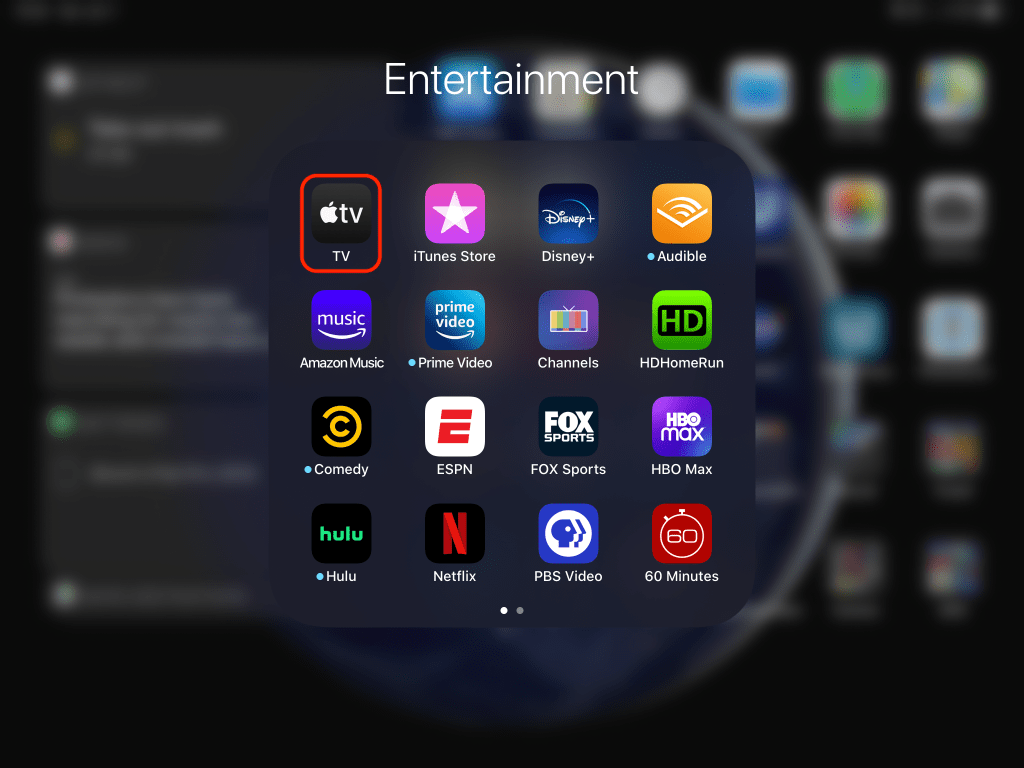
First, I saved nearly $60/month by dropping Hulu (no ads), Sling (Orange + Sports Extra) and Netflix (Premium 4K). I only had Hulu for late-night comedy/talk shows (watched in the morning over coffee and breakfast) and The Handmaid’s Tale. My wife found the latter too depressing (fascist religious fanatics take over US Gov…a little dark), and I could record the late-night shows with my HDHomeRun Extend box, cheap antenna, and $30/year (<$3/month) HDHomeRun DVR service. I was only using Sling for watching sports on ESPN (1, 2 & 3) and the Tennis Channel (w/ Sports Extra), so once the pandemic shut down most sports, turning off Sling was a no-brainer. Despite enjoying Patriot Act on Netflix, I found it was easy to let the red N go as well. Last month we restarted Netflix for the final season of the sci-fi series Dark (so German), and my sister Claire’s recommendation, the dark comedy Dead To Me (Christina Applegate is great…who knew?!), but having finished those, we’ll probably turn it off again. I kept these subscriptions and apps:
- HBO Max: $15/month, formerly HBO Now
- Apple TV+: free for a year with recent device purchase (otherwise $5/month)
- Disney+: $70/year = $6/month, mainly for Star Wars, Marvel & Pixar movies, not to mention Jeff Goldblum and, of course, Baby Yoda on Mandalorian
- Amazon Prime Video: included with Prime Membership ($120/year = $10/month)
- PBS Video: free by default, though I donate $5/month to PBS for their excellent catalog
- Comedy Central, 60 Minutes, TED Talks, video podcasts and YouTube videos, all free (with ads)
Next, I reduced my Audible audiobook subscription from Gold at $15 for 1 book credit every month, to Silver at the same price every other month, saving ~8/month. (All those books in my GoodReads list at right were audiobooks, so it really should be GoodListens.) I mainly listen to books with my iPhone while driving, so my audiobook listening time plummeted along with car time due to teleworking, and books took longer to finish. In fact, I later canceled Audible altogether (still keeping purchased audiobooks), though I recently restarted again to replenish my unread/unheard library. If you’re new to Audible, you’ll likely see only Gold and Platinum membership options, and wonder how to get the cheaper Silver. The answer is to use the same leverage you have over all monthly subscriptions and services: threaten to cancel. As soon as an Audible member clicks to cancel their subscription, the Audible site tries to keep you by offering lower cost alternatives such as the “secret” Silver level. Sneaky bastards to be sure, so you have to know how to play the game.
Internet Service
With little competition at the high end of broadband service, cable is still the best Internet option in our area. The growth of optical fiber networks (e.g., Google Fiber or Verizon Fios) has slowed to a crawl in the US, hasn’t reached our neighborhood, and DSL generally remains a slower, less reliable choice (you can only get so much out of a twisted pair of skinny copper wires). Perhaps Elon Musk’s Starlink constellation will help disrupt/bypass cable Internet with fast-n-cheap satellite access, but that literally just got off the launch pad. Cable companies such as Comcast and Charter pay…er…lobby legislators hard to keep their local monopolies on cable service, so for us, cable = Comcast.
I dropped my Comcast Internet bill from >$90 to $50/month by dropping my speed from 200Mbps to 75Mbps (speed tests show we actually get 90Mbps most of the time), which is sufficient for 2 non-gamers streaming simultaneously (a large family with gamers may need more shared bandwidth). Since 2018, Comcast finally stopped forcing a TV/internet bundle to get the best Internet price, acknowledging that many people no longer want their bloated TV packages. So, I now pay Comcast the minimum for Internet access only (forcing the switch from HBO Go to HBO Now/Max noted above). I call Comcast about once a year to make sure I have their cheapest Internet option, since they’re always changing options and prices. Comcast phone reps sometimes have access to options not shown on their web site, so ya gotta call. Of course, I always purchase my own cable modem (currently a Motorola MB7621), which is much cheaper than renting Comcast’s Xfinity modems.
Mobile Phone Service
In the Before Times, pre-pandemic, we were paying AT&T over $50/month (>$600/year) for Varya’s iPhone service, capped at 1GB of data. Years ago AT&T hit us with over-charges for exceeding that monthly cap when she accidentally left her phone on streaming music videos all night. We long ago switched her to an AT&T plan that simply slowed down above the cap rather than inflating the bill, but I was always on the lookout for a better alternative to AT&T. Enter Mint Mobile (thanks to Uncle Leo’s TWIT.tv network). Now for only $180/year = $15/month (!), she gets 3GB of data, far more than she ever uses in a month. If we paid Mint $25/month, half as much as we used to pay AT&T, she’d have 12GB, an order of magnitude more than AT&T’s low limit. The catch? Mint licenses the T-Mobile network, so you have to be in an area with good T-Mobile coverage, typically in or near cities. Fortunately, Varya gets great coverage in the greater Houston metro area, including driving downtown to work. When my Mom tried Mint, she found T-Mobile’s coverage was spotty out in the sticks of Misery…er…Missouri, so she returned to AT&T at over 3 times the price for their larger cellular network. (BTW, if you’re not too rural and want to try Mint Mobile, we both get a little bonus if you use my Mint referral link: http://fbuy.me/pFeNf)
Home Security Service
Your home security system is another often overpriced monthly service open to negotiation. When we bought our home in 2012, I signed up with ADT, locking myself into a 1 or 2 year contract at ~$45/month (silly boy, that was too high!). After the contract expired, I called ADT about the price, and they happily dropped it to ~$25/month…apparently they had a helluva profit margin to play with! Every year or two they’d increment the price, and when it got too high I’d call again to bring it back under $30/month. This year it increased to $36, and last month they sent an email suggesting it would increase again to $39. So, I called to cancel the service—remember, the threat of cancelation is always your best negotiating tool with any monthly service/subscription! They offered a “special pandemic price” of $15/month to keep me, and said I could ignore the price increase email…effectively acknowledging their recent price increases were BS, just squeezing extra profit out of loyal customers, assuming most wouldn’t notice or take action. In the increasingly competitive home security market—DIY newcomers like Ring Alarm and SimpliSafe are as low as $10/month—old companies like ADT must adapt to remain viable.
Bottom Line
How does all of that tally for my monthly costs? As of right now—and I could easily change it at any moment, which is what I love about cord cutting—my monthly pre-tax bill for all TV, audiobooks, Internet, cell phone, and monitored home security is $133 = $15 HBO Max + $16 Netflix Premium + $6 Disney+ (paid annually) + $5 PBS Video (donation, not required) + $3 HDHomeRun DVR (paid annually) + $8 Audible Silver + $50 Comcast Xfinity (75-90Mbps) + $15 Mint Mobile (paid annually) + $15 ADT Security. I may drop the $16 Netflix Premium, but restart the ~$30 Sling/ESPN/Tennis Channel for the US Open at the end of August, adding a net ~$14 this month, still keeping everything under $150. I don’t count Amazon Prime Video because I pay for Prime Membership for free 2-day shipping of my Amazon purchases and rarely watch their video service. I’m also not counting online movie rentals, because those are independent of streaming services—we typically use Apple TV to rent movies, but could easily use Prime Video, Vudu, or many other options at about the same cost per rental ($1-7). My “land line” phone service is free using Google Voice with an OBi200 VoIP box (and rarely used anyway).
So, the bottom line is that if you’re paying anything near or over $200/month for TV + DVR + Internet + audiobooks + cell & home phone + home security—or worse, just a subset of those—the bad news is you’re probably wasting money, and the good news is you have opportunities available now for cutting costs, maybe by half. Even if you’re afraid you’re not tech savvy enough to try cord cutting and managing various services a la carte, at the very least call your provider and say you want to cancel your bundled services due to cost—you’ll get transferred to a “retention specialist” who’s professional mandate is to keep you as a customer and thus who has the power to offer you deals and lower prices the first-line phone rep can not. Feel free to use any of the costs I quoted above as negotiation leverage…as I did by mentioning SimpliSafe to ADT. 😉
[2020-08-31 Updates: I recently called Comcast and dropped my Xfinity Internet plan to $45/month while increasing the quoted speed from 75 to 100 Mbps. This was one of the first times that the deals offered by the phone rep matched those offered online in my Comcast account, i.e., it would have been faster to change my own service online, since my Comcast guy was confused and slow. Meanwhile, Audible dropped the precious metal nomenclature, and now calls their top service Premium Plus ($15/month) and their lower level just Plus ($8/month). With Premium Plus, you own your audiobooks, whereas with Plus it appears you can only access them as long as you maintain your membership…not good. Both have an option to pay annually with a discount. Selecting the “Cancel membership” option no longer unlocks a secret half-price option, but rather enables you to pause for up to 3 months. This may work out even better than the old Silver/half-membership option if I can pause for 3 months, turn it one for 1 month and repeat this cycle, effectively having a 25% membership option.]






















 Moonday